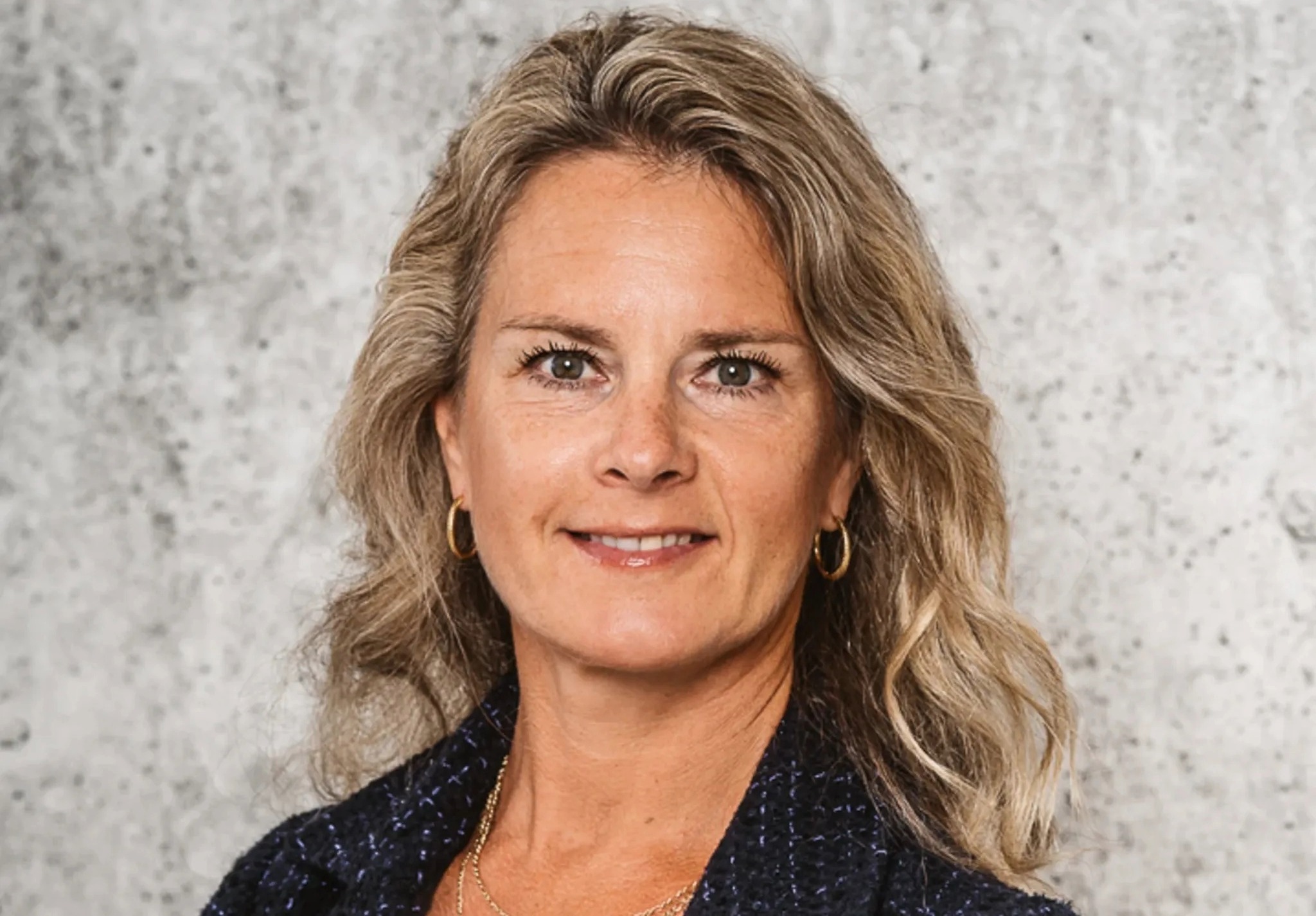
Trump's Setback Won't Restore the Old World Order
Mona Juul, leader of the Conservative People's Party, on why Trump's midterm setback won't bring back the old world order, why Danish exports to the US are vulnerable — and why boards must make geopolitics a permanent part of strategic risk.
The Democrats' significant gains in the US midterm elections might tempt Europe to breathe a sigh of relief. That would be a mistake, Mona Juul warned when she spoke to board members at Boardway and Nordea's event on 11 November. A political setback for Trump, she argued, does not mean a return to the old world order.
The US is no longer the guarantor
Juul drew a clear distinction between the Trump administration, the MAGA movement and the American public, and welcomed the fact that many Americans have pushed back. But the US role as guarantor of free trade, international cooperation and European security is gone, whoever occupies the White House. She warned that a president facing greater domestic challenges might escalate tensions abroad, with further attacks on Greenland, Denmark and other European countries.
A vulnerable export market
For Danish companies, this is far from abstract. The US has overtaken Germany as Denmark's largest export market and, according to Juul, accounts for 17 percent of Danish exports. Much is also regulated at state level, from packaging and chemicals to data and labour rules, so companies need to understand the specific requirements in the states where they operate.
Europe has to fend for itself
Juul's main message was that Europe must learn to stand on its own two feet, and that this requires action, not talk. Internal barriers within the EU, she said, are equivalent to a 44 percent tariff. She called for a stronger European defence industry, better conditions for entrepreneurs and greater scope for data centres in Denmark. She also pointed out that the number of new start-ups fell last year for the first time in a decade.
Denmark is a small country but can still influence EU policy, she argued, if it moves beyond bureaucratic language and presents concrete examples. A packaging directive may sound sensible until a specific case shows that the weight of the label suddenly matters more than what is in the jar.
Geopolitics belongs on the board agenda
Her advice to boards was clear: diversify across markets, reduce critical dependencies, identify vulnerabilities in supply chains and continuously assess political risks. Easier said than done, Juul acknowledged. She has herself run an owner-managed business with one dominant customer. "Make it a permanent part of your strategic risk assessment," she said.
The uncertainty is here to stay. Boards should plan for it rather than wait for the next American election.